Maliau Basin for research and university field courses
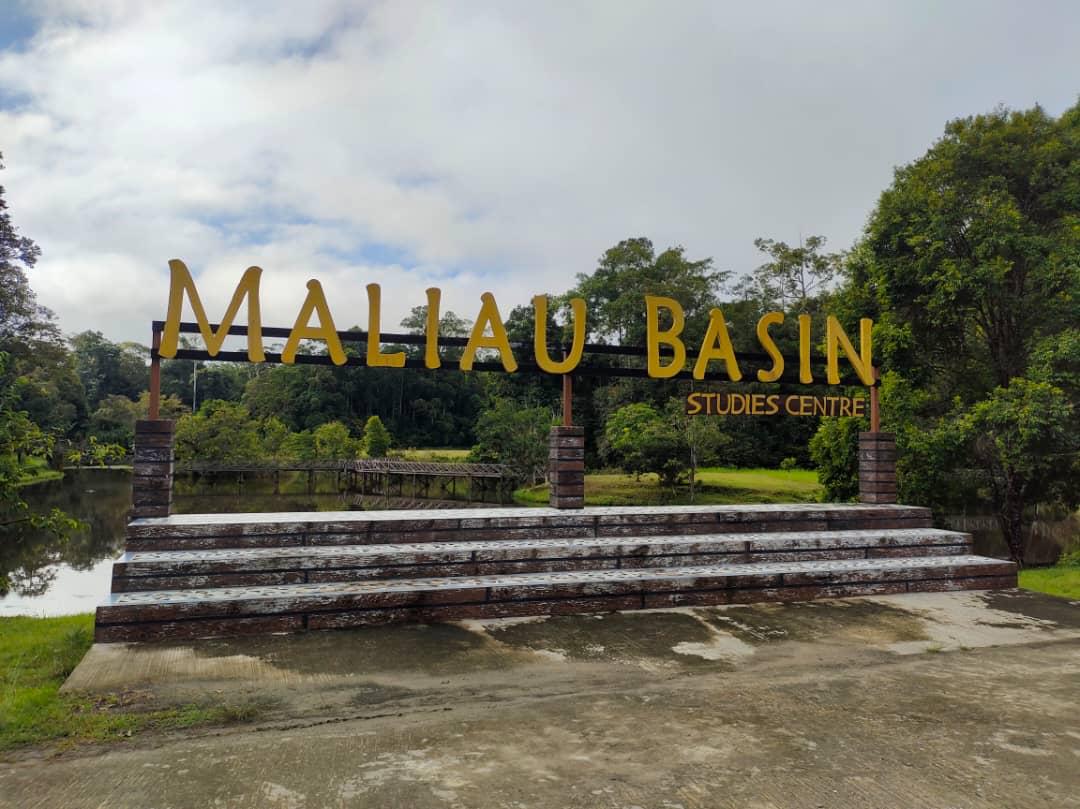
The Studies Centre is not a lodge that happens to host scientists. It is a research facility that happens to take visitors, and for a university field course that distinction is the entire value proposition.
Yes. The Maliau Basin Studies Centre is a research and environmental-education facility that also takes visitors, and has hosted groups from universities including Sheffield, Griffith and Otago. It offers hostel, resthouse and chalet accommodation, a Nature Gallery, an AV lounge, a marked trail network and canopy structures. Research access and any collection permission are administered separately from tourist permits by Yayasan Sabah's Conservation and Environmental Management Division; approach it a full academic year ahead.
Unlogged primary forest across several habitat types in one catchmentWhat the Maliau Basin Studies Centre offers academic groups
The centre functions as the hub for research, conservation, environmental education and ecotourism inside the conservation area. That ordering reflects how it is actually used.
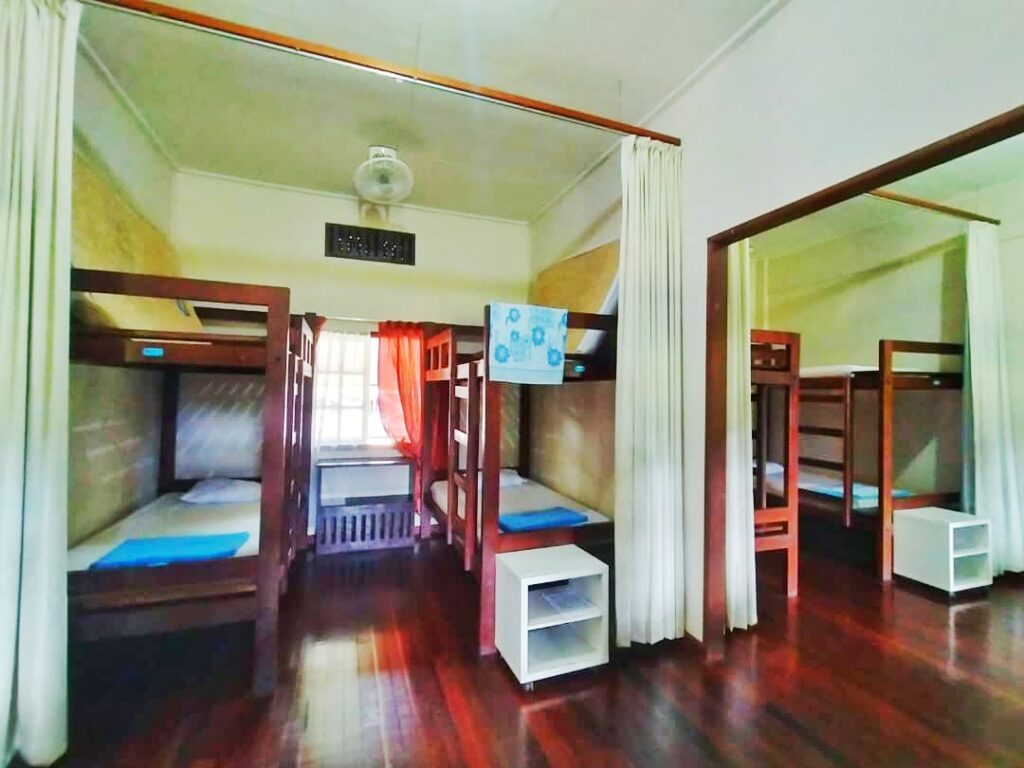
Groups from universities including Sheffield, Griffith and Otago have used it as a teaching base. Accommodation runs from hostel through resthouse to chalet, which matters for a student cohort in a way it does not for a couple on a package — you can put twenty undergraduates in hostel accommodation without paying resthouse rates for all of them.
On-site facilities relevant to teaching
- Nature Gallery — interpretive exhibits on the basin's biodiversity and geology
- AV Lounge — where the introductory briefing and conservation video run, and a usable teaching space
- Dalit Dining Hall — catered meals for groups
- Marked trail network — EE, Wildlife, Manggaris and Avian trails, plus the lagoon
- Sky Bridge and Observation Tower — canopy-level access, which is difficult to replicate at most field sites
 img/research-fieldwork.jpgStudents recording data on a forest transect21/9
Why Maliau Basin is worth the logistics for a field course
Habitat compression
Several forest types sit inside one enclosed catchment because the ground rises from basin floor to a rim above 1,675 metres. Lowland and hill dipterocarp, lower montane Agathis forest, montane heath, and mossy cloud forest on the rim. Students walk between habitat zones in hours rather than days, which makes altitudinal gradient and habitat-comparison exercises genuinely practicable within a short course. Full detail here.
An unlogged baseline
Maliau has never been logged. For any study measuring the effects of disturbance, an intact reference site across multiple habitat types is exactly what is hard to find in Sabah, and it is why the basin's protection matters scientifically as well as ecologically.
Genuinely incomplete inventory
Roughly a third of the basin is open to visitors and less than half has been properly explored by researchers. The highest point on the northern rim has never been accurately surveyed. Eighty-two mammal species and close to 300 birds are confirmed, and the figures keep moving because expeditions keep adding to them. Undergraduate fieldwork here is not purely pedagogical.
Distinctive systems
Oligotrophic tannin-stained water supporting very few fish, over 30 amphibian species including one that breeds inside pitcher plants, nine Nepenthes species, more than 80 orchids, and marine gastropod fossils 16 to 17 million years old in the surrounding rock. The geology page covers the last of those.
 img/research-nature-gallery.jpgNature Gallery exhibits at the Studies Centre3/2
 img/research-hostel.jpgHostel accommodation for student groups3/2
Access, permits and lead time for academic groups
Research access is administered by Yayasan Sabah's Conservation and Environmental Management Division, the same body that issues visitor permits. Research permission is a separate process from tourist entry and involves more paperwork, particularly where sample collection, tagging or equipment installation is proposed.
Note that Maliau is a Class I Protection Forest Reserve. Collection prohibitions apply to researchers as well as tourists unless specifically authorised — this is not something to assume and then discover on arrival.
Start earlier than you think. Ordinary tourist permits already need several months. A research application with collection permissions, a group of twenty, and fixed term dates is a different order of planning. Approach it a full academic year ahead where possible.
Logistics that catch groups out
- Five to six hours by road from Kota Kinabalu, or four to five from Tawau, on a route ending in logging tracks requiring 4WD. Multiple vehicles for a large group. Route detail here.
- No power in the interior camps. Anything requiring charging stays at the centre.
- Guides are compulsory on every trail, including short walks near the centre. Budget guide allocation for the number of sub-groups you intend to run simultaneously.
- Limited communications. The conservation area is explicit about remote terrain with limited access and safety infrastructure. Risk assessments should reflect that help is hours away.
- DSLR camera fees are charged separately from package inclusions, which adds up across a cohort.
Studies Centre stays from RM3,500, treks from RM4,990 — every package compared on one page.
Research and education questions
Can universities run field courses at Maliau Basin?
Yes. The Studies Centre functions as a hub for research, conservation, environmental education and ecotourism, and has hosted groups from universities including Sheffield, Griffith and Otago. Accommodation ranges from hostel to chalet, which suits student cohorts.
How do I get research permission for Maliau Basin?
Through Yayasan Sabah's Conservation and Environmental Management Division, which administers the conservation area. Research access is a separate process from tourist entry and involves more paperwork, particularly where collection, tagging or equipment installation is proposed.
What makes Maliau Basin scientifically valuable?
It is unlogged primary forest containing several habitat types within one enclosed catchment, providing an intact baseline against which disturbed forest can be measured. Less than half the area has been properly explored and species inventories are still growing.
Can researchers collect samples at Maliau Basin?
Not without specific authorisation. Maliau is a Class I Protection Forest Reserve where collection prohibitions apply to researchers as well as visitors. Permissions must be arranged in advance rather than assumed.
How far ahead should a university group book Maliau Basin?
Considerably further than a tourist booking, which already needs several months. A research application with collection permissions and a large group on fixed term dates is best approached a full academic year ahead.
What accommodation is available for student groups?
The Studies Centre offers hostel, resthouse and chalet accommodation, so a cohort can be housed in hostel accommodation rather than paying resthouse rates throughout. Meals are served at the Dalit Dining Hall.
Planning a field course or research visit?
Tell us your dates and who is coming. You get a day-by-day itinerary, an exact price for your package and rate, and honest advice on which trip fits — including if it is Danum rather than Maliau.