Photographing Maliau Basin
Two things catch photographers out here, and both are avoidable if you know them before booking: a DSLR costs extra, and the interior camps have no power at all.
Two things above all: a DSLR attracts a separate camera fee not included in any package (packages cover a non-DSLR camera fee only), and the interior camps at Nepenthes and Ginseng have no power, so a trek runs entirely on the batteries and cards you carry. For wildlife and birds, book the 4D3N Studies Centre package (Sky Bridge, Observation Tower, Avian Trail, two night drives). For waterfalls, heath forest and landscape, book a trek — none of those subjects are reachable from the centre.
Guides are compulsory; ask for one comfortable with a photographer's paceThe DSLR camera fee
Read the package inclusions carefully. What is covered is the non-DSLR camera fee. Bringing a DSLR into the conservation area attracts a separate charge that is not in your package price.
For a casual visitor this is a footnote. For someone travelling to Maliau specifically to photograph it, it is a line item you should have confirmed before you paid a deposit. Ask your operator for the current amount at the time of booking — we deliberately do not publish a figure, because fee schedules are set by Yayasan Sabah and change, and a wrong number here would be worse than none.
If you are bringing a group, multiply accordingly. This adds up quickly across a university cohort.
There is no power in the interior
The Studies Centre has proper facilities. The interior camps at Nepenthes and Ginseng have none — no power, no hot water, a bed and a pillow.
On a four or five day trek that means everything you shoot runs on what you carry.
- Batteries, more than you think. Humidity and cold montane nights at 945 metres both drain them faster than you expect.
- Memory cards over a laptop. Nothing to charge a laptop from, and nowhere dry to work.
- A battery head torch, not rechargeable. This is on every operator packing list for the same reason.
- Dry bags for everything. Humidity is constant and relentless. Nothing dries, including gear.
- Silica gel. Fungus in lenses is a real risk in this climate.
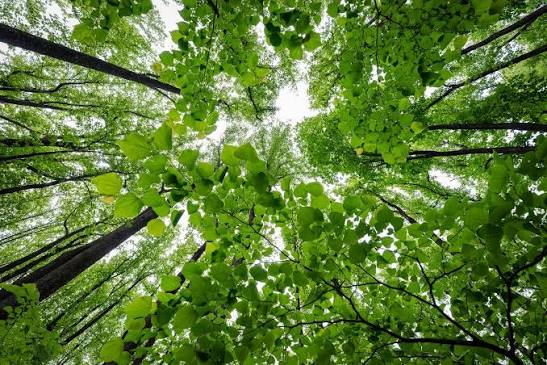 img/photo-canopy-light.jpgLow light beneath a closed dipterocarp canopy3/2
 img/photo-falls-long-exposure.jpgLong exposure of a tannin-stained cascade3/2
 img/photo-macro-pitcher.jpgMacro detail of a Nepenthes pitcher3/2
Which Maliau Basin itinerary suits photography?
It depends entirely on your subject, and the answer surprises people.
Wildlife and birds — book the Studies Centre
The four-day Studies Centre itinerary includes the Manggaris and Avian trails, the lagoon, the Sky Bridge, the Observation Tower and two night drives. The trekking packages include none of the canopy structures. A group walking a loop with packs is also the worst possible wildlife-photography format. Birding detail here.
Landscape, waterfalls and forest structure — book a trek
The seven-tiered Maliau Falls, Takob Akob's 38 metre drop, Ginseng Falls, and the strange stunted heath forest with its pitcher plants are all interior subjects. None are reachable from the centre.
Macro and botanical — either, but the trek is richer
Nine Nepenthes species, more than 80 orchids, over 30 amphibians. The Agathis to Nepenthes trail alone holds at least six pitcher plant species alongside rhododendrons and wild orchids.
What you are actually working with
Low light under a closed canopy. Primary dipterocarp forest with 50 metres of leaves above you is dark. Fast glass and high ISO tolerance matter more than reach for forest-floor work.
Tea-coloured water. The rivers and falls run deep brown from tannins and humic compounds. It is natural, not pollution, and it is worth knowing before you try to correct it in post. Why the water looks like that.
Rain, and its consequences. Heavy rain can close the rope-assisted approach to Maliau Falls entirely, and itineraries get shortened or rerouted on safety grounds. A photography trip built around one subject can lose it to weather with no recourse.
Cloud on the rim. Mossy cloud forest sits on the northern escarpment, which means atmosphere when you want it and nothing visible when you do not.
Guides are compulsory on every trail. Ask at the enquiry stage for a guide comfortable with photographers — the pace difference between a trekking group and someone working a subject is considerable, and it is not automatic.
Four packages, Malaysian and international rates side by side, with what each one includes.
Photography questions
Is there a camera fee at Maliau Basin?
Packages include a non-DSLR camera fee. Bringing a DSLR attracts a separate charge that is not included in the package price. Confirm the current amount with your operator when booking, as fee schedules are set by Yayasan Sabah and change.
Can I charge camera batteries at Maliau Basin?
At the Studies Centre yes, in the interior camps no. Nepenthes and Ginseng have no power at all, so on a trekking itinerary everything runs on what you carry. Bring more batteries and memory cards than you expect to need.
Which Maliau Basin package is best for photography?
Depends on subject. For wildlife and birds, the four-day Studies Centre itinerary, which includes the Sky Bridge, Observation Tower, Avian Trail and two night drives. For waterfalls, heath forest and landscape, a trekking itinerary, since none of those are reachable from the centre.
Why is the water brown in Maliau Basin photographs?
Tannins and humic compounds leaching from peaty leaf litter and heath forest upstream. The water is clean, highly acidic and low in nutrients. It is a natural feature rather than something to correct.
Can I bring a drone to Maliau Basin?
Do not assume so. Maliau is a Class I Protection Forest Reserve with restricted access, approved itineraries and compulsory guides, and drone use in protected areas generally requires specific permission. Raise it with your operator well in advance rather than arriving with one.
Can I request a photography-friendly guide?
Ask at the enquiry stage. A registered guide is compulsory regardless, but the pace difference between a standard trekking group and someone working a subject is considerable and is not accommodated automatically.
Tell us your subject before your dates
Wildlife and landscape point at completely different itineraries here. We will say which fits.
Enquire Compare packages